
The Hidden Gut Dysfunction Causing Your Dog's Allergies, Anxiety & Indoor Accidents (And Why Medications Always Fail)
"If your dog has chronic scratching, anxiety, indoor accidents, or behavioral problems — they all share the same root cause that no one is checking."
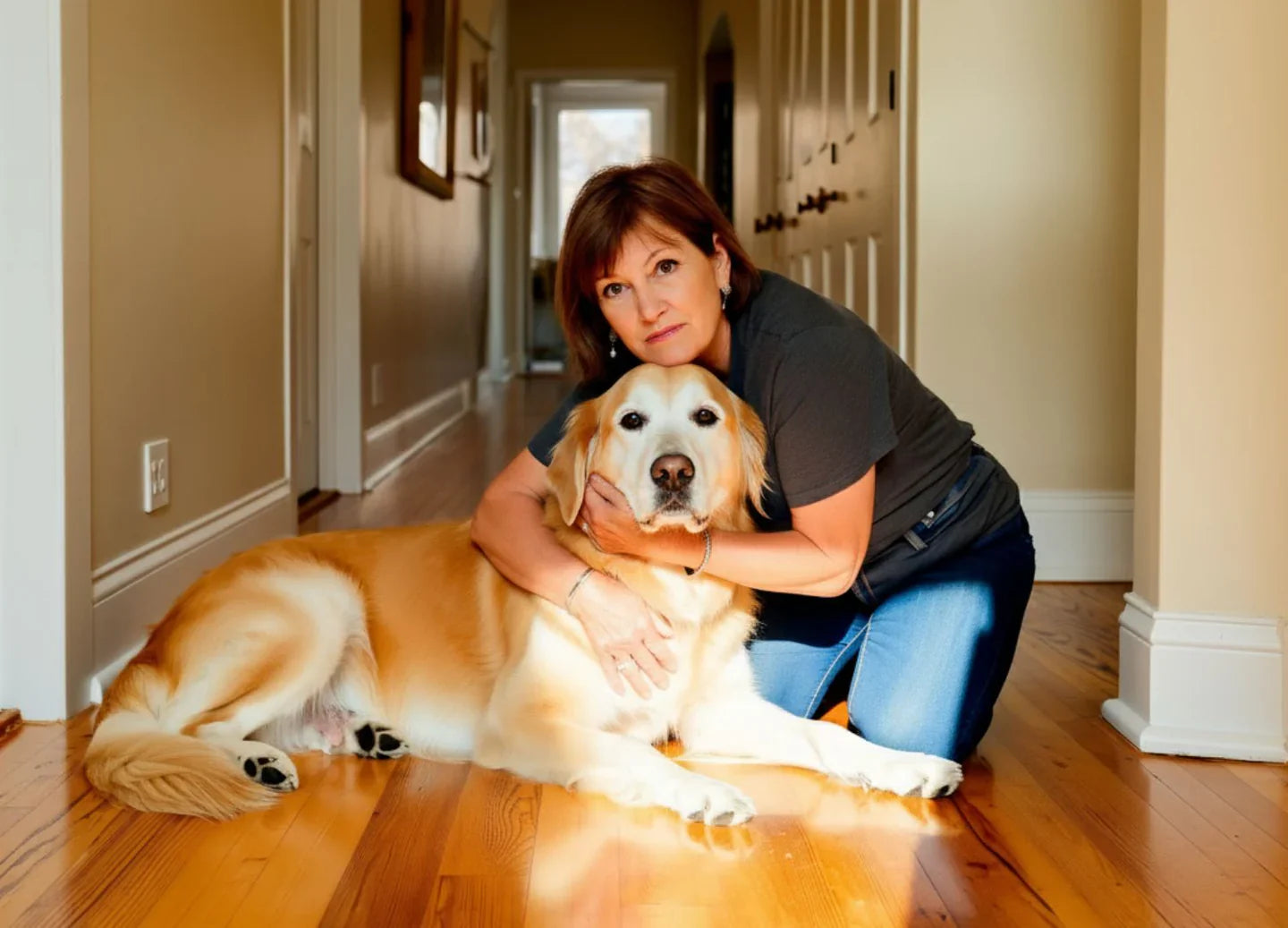
If your dog has chronic allergy problems, you've probably tried what most owners do.
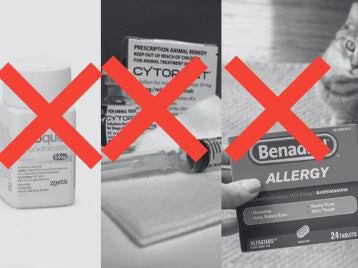
If you've bought Apoquel or Cytopoint...
If you've switched foods. Maybe twice. Maybe ten times...
If you've tried medicated shampoos, ear drops, and antihistamines...
And if your dog is still scratching all night, peeing inside, anxious, reactive, or licking their paws raw...
You are not alone.
I've spent over 15 years as a veterinary immunologist, working with thousands of dogs with chronic skin and behavioral conditions.
And what I've discovered changed everything I thought I knew: The vast majority of "allergy" dogs don't have a skin problem at all.
They have gut dysfunction.
It starts in the gut. It shows up in the skin, the behavior, the indoor accidents. And no amount of medication will fix it.
Because medications were never designed to fix it.
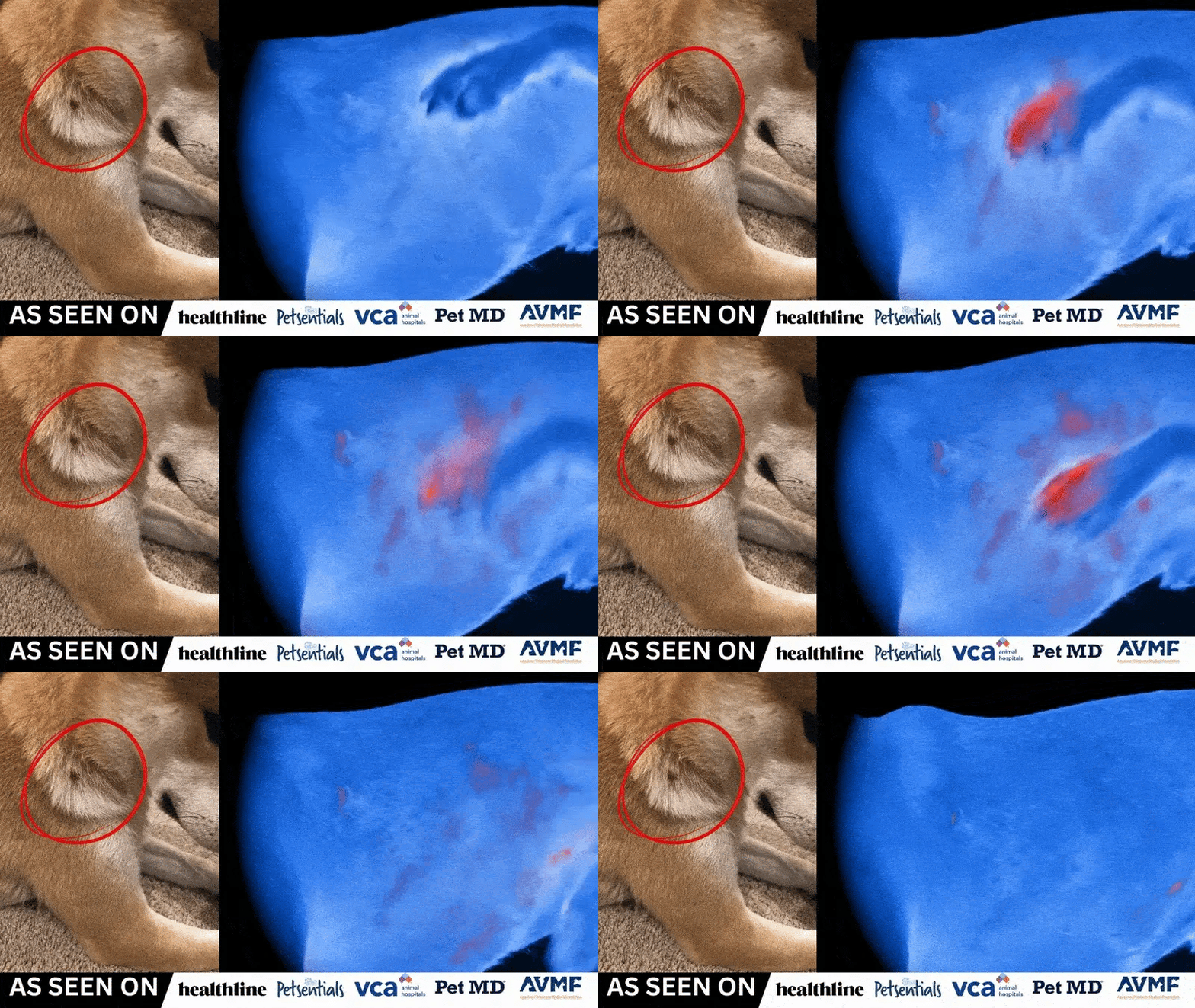
Most Owners Are Fighting the Wrong Battle
At first, it seems straightforward.
Your dog starts scratching.
Gets an ear infection.
Starts peeing inside.
So you go to the vet. You buy the medication. You do what you're told.
But here's what you're actually getting:
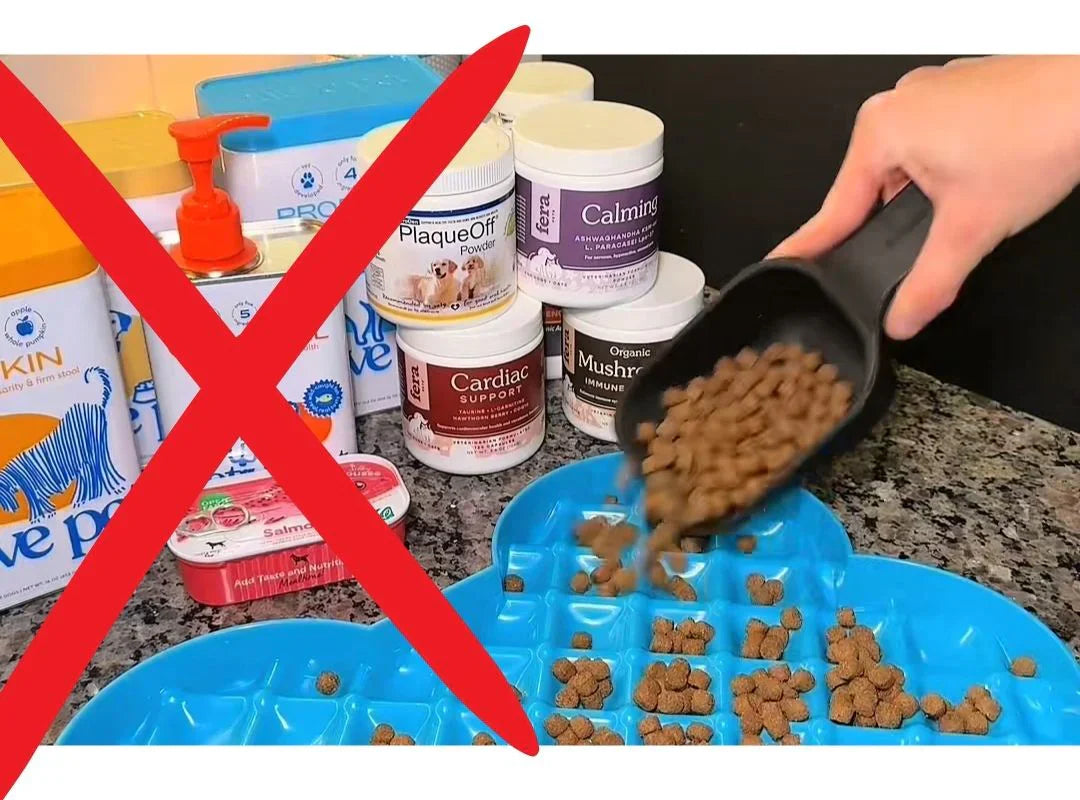
Apoquel and Cytopoint suppress the immune response. They quiet the itch. But they don't touch the broken gut underneath.
Antihistamines block the itch signal to the brain. Meanwhile, the gut damage spreads.
Prescription foods remove potential allergens. But they don't fix the broken gut lining letting everything through in the first place.
Calming chews sedate the brain. But they don't repair the gut that's actually causing the anxiety.
That's why you see a little improvement. Then nothing.
Or worse. It comes back stronger.
Because the real problem was never allergies. And it was never "bad behavior."
And that realization hit me during one of the hardest cases of my career.
When Conventional Wisdom Failed in My Exam Room
Bella was a 7-year-old Golden Retriever.
Her owner, Sarah, had done everything right.
✅ Premium hypoallergenic food. $90 a bag.
✅ Weekly medicated baths.
✅ Apoquel daily. Cytopoint injections every 2 weeks.
✅ Two different behavioral trainers for the indoor accidents.
She'd spent over $4,000 in the past year alone.
Still, Bella scratched herself raw every single night. Still peeing inside. Still anxious and restless. Her ears smelled no matter how often Sarah cleaned them.
I prescribed a stronger antibiotic.
Nothing changed.
I switched her food to a hydrolyzed diet.
It got worse.
Sarah sat across from me, exhausted, and asked the question I'll never forget:
"Every vet tells me this is just allergies. That I'll be managing this forever. But she's miserable. I'm miserable. Why can't anyone fix this?"
I didn't have an answer.
That night, I couldn't sleep.
I made a decision: I was going to find out what was actually happening to dogs like Bella. No matter what it meant for everything I'd been taught.
The Shocking Hidden Cause: Gut Dysfunction
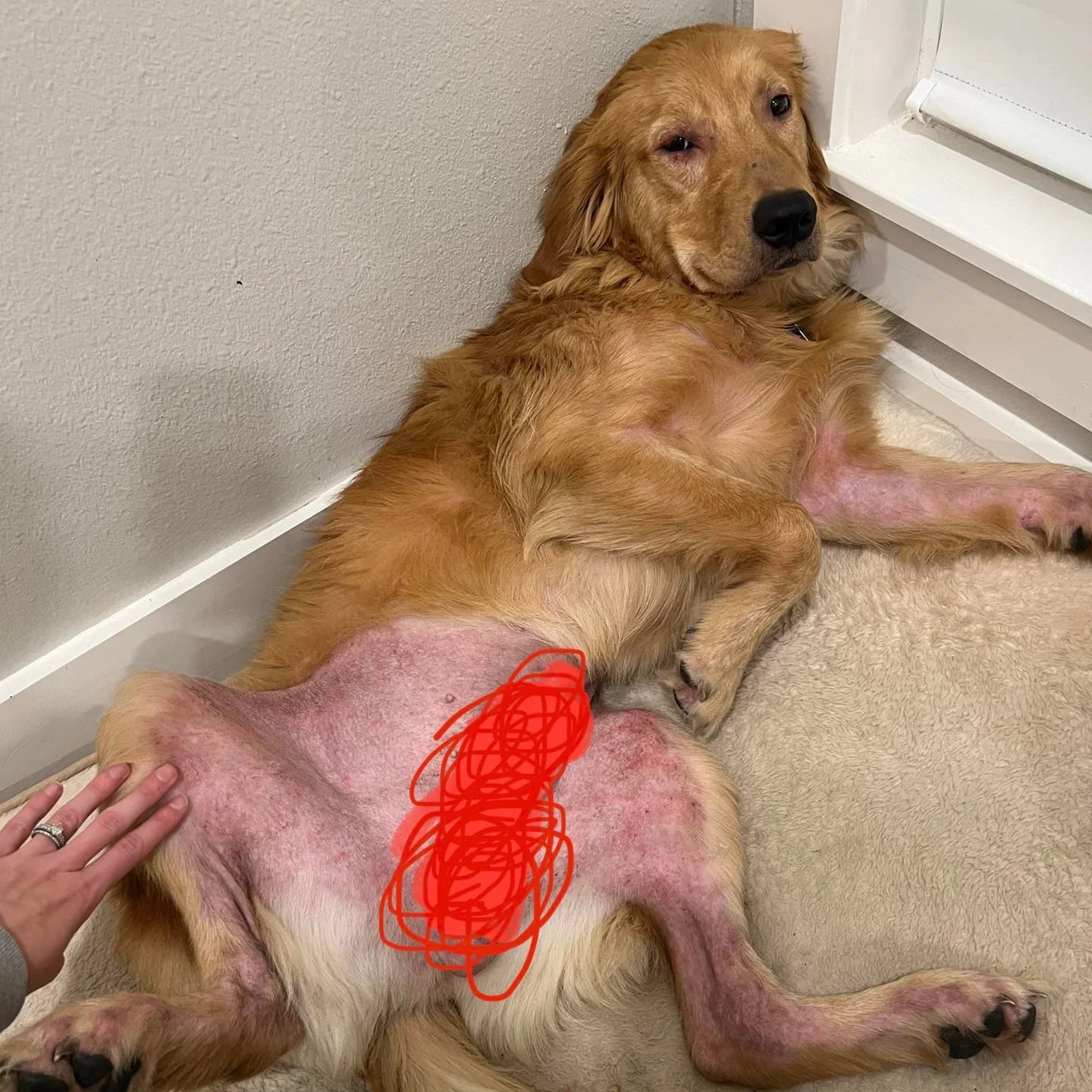
We've been thinking about this completely backwards.
❌ It's not "just allergies."
❌ It's not the food.
❌ It's not a behavior problem.
The real cause is this: Your dog's gut lining is broken. And it's destroying everything — skin, behavior, and immune function — from the inside out.
Let me explain.
80% of your dog's immune system lives in the gut. Not the skin. The gut.
When the gut lining is healthy, it acts as a barrier. Keeps toxins out. Regulates inflammation. Produces 90% of your dog's serotonin — the "calm" neurotransmitter.
But every bowl of kibble damages that lining. High-heat processing destroys enzymes and beneficial bacteria. Preservatives kill what's left. Chronic stress from the itching accelerates the damage.
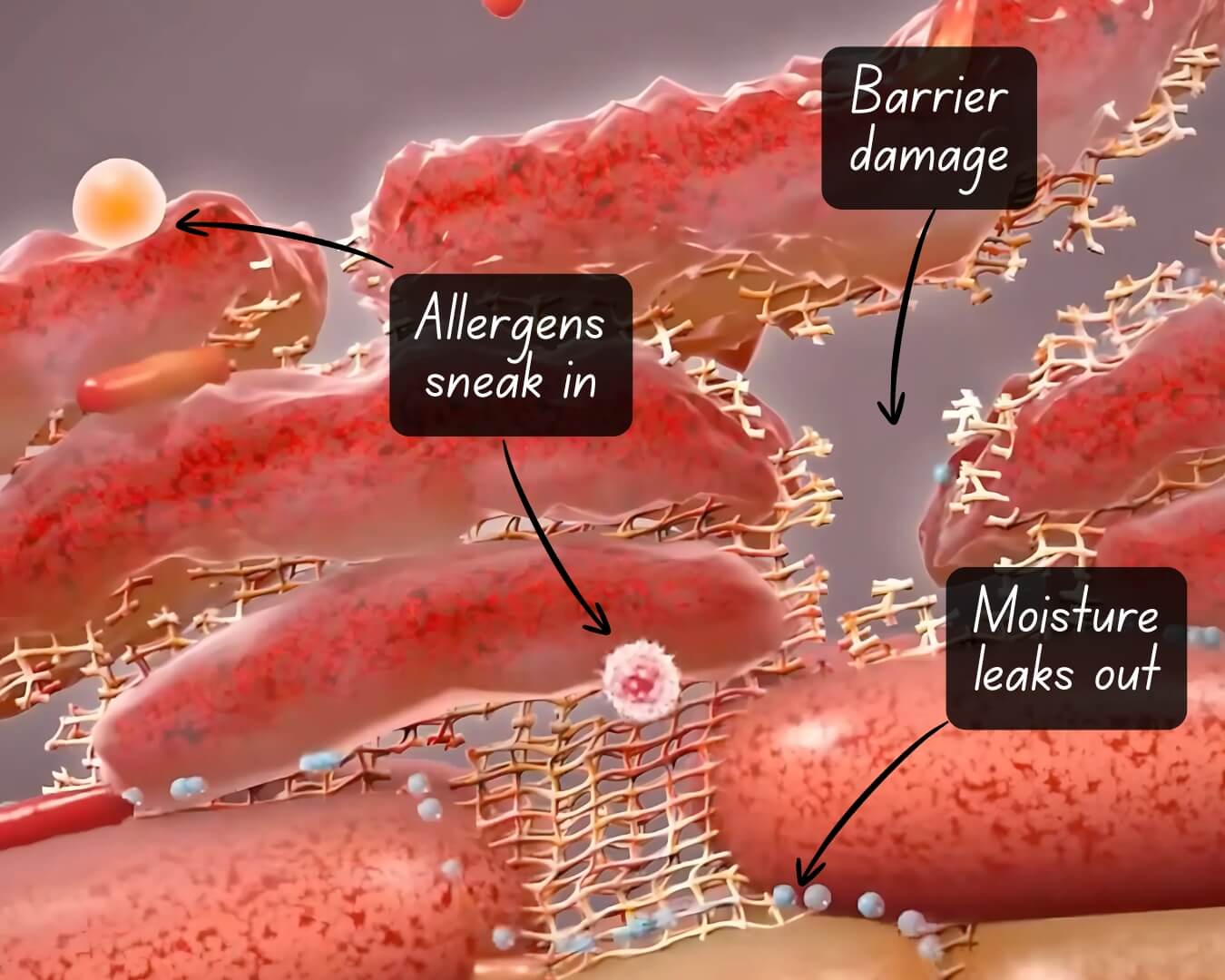
Over months and years, the gut lining breaks down. Tiny gaps form. Undigested proteins and toxins leak through into the bloodstream.
The immune system sees invaders everywhere.
That's the chronic itching.
That's the hot spots.
That's the ear infections that keep coming back.
That's the anxiety and indoor accidents.
It was never a skin problem. It was never a behavior problem.
It's a gut problem showing up everywhere else.
But here's what made it worse for dogs like Bella:
The medications themselves.
Apoquel suppresses the immune system. The same immune system that's supposed to keep the gut in check. So while the itch quiets down, underneath, the gut damage spreads even faster.
That's why the symptoms always come back. Usually worse than before.
If you've felt like you're going crazy — spending thousands, trying everything, watching nothing work — you're not crazy.
The treatments were never designed to fix gut dysfunction.
Why Common Solutions Fail (And Always Will)
Apoquel?
Suppresses the immune response. Doesn't repair the gut lining causing the overreaction.
Failure.
Cytopoint?
Blocks the itch signal. Gut keeps breaking down underneath.
Failure.
Prescription foods?
Remove potential allergens. But if the problem isn't allergens — it's a broken gut lining — removing allergens does nothing.
Failure.
Generic calming chews?
Sedate the brain. Don't repair the gut that's actually causing the anxiety and accidents.
Failure.
Probiotics alone?
Add bacteria to the gut. But generic probiotics don't address a broken lining. They can't colonize if the barrier is damaged.
Failure.
They all miss the real mechanism: gut lining damage destroying the gut-brain connection.
So why didn't anyone tell you this?
Because there's no money in fixing the problem.
Apoquel costs $3 per pill. Dogs take it daily. For life. That's over $1,000 a year. Per dog.
Cytopoint injections? $50 to $150 every 4 to 8 weeks. Recurring revenue for the clinic.
A solution that actually fixes the root cause? That's a one-time problem solved. No repeat visits. No recurring revenue.
The system wasn't designed to fix your dog.
It was designed to manage your dog. Forever.
The Real Solution: Repairing the Gut-Brain Connection
If the problem starts in the gut, that's where the solution has to start too.
Not on the skin. Not by suppressing the immune system. Not by sedating the brain.
At the source. In the gut. Where the damage begins.
Your dog needs three things working together across three timeframes:
Colostrum — seals the damaged gut lining. Repairs leaky gut so the immune system calms down and serotonin production can restart. Builds over days.
L-Tryptophan — direct serotonin precursor. 90% of serotonin is made in the gut. When the gut is broken, production collapses. L-Tryptophan rebuilds what the damaged gut can no longer produce on its own. Compounds over weeks.
Melatonin — calms the immediate stress response while the gut repairs. Stress produces cortisol, and cortisol destroys the gut lining faster. You have to break the cycle. Works in minutes.
Plus Chamomile and Ginger for gut inflammation. Passionflower and Valerian to break the cortisol cycle. Suntheanine to lower stress hormones. Hemp seed for omega fatty acids that reduce systemic inflammation.
Not suppressing the immune system. Not sedating the brain. Repairing the gut that controls both.
One company has combined all of them into a single daily chew: Pawsy Gut-Brain Calm Chews.

Proof It Works
Sarah tried it with Bella.
By week 2, Bella slept through the night without scratching. First time in months.
By week 4, no more indoor accidents. Her paws weren't raw anymore.
At 8 weeks, Sarah told me: "I didn't think this was possible. It's like I have my dog back."
And she wasn't alone.
"We'd spent $3,800 on her allergies this year. Within 6 weeks of starting Pawsy, we skipped our monthly vet visit — because we didn't need it. Last month our total spending was $29.95."
— Sarah M. (scratching + indoor accidents)"Max's ear infections were constant. We'd clear one up, and within two weeks another would start. After 8 weeks on Pawsy, he hasn't had an ear infection in 3 months. And the indoor peeing stopped completely."
— Doug R. (ear infections + accidents)"Bella had raw hot spots and couldn't calm down. Nothing worked. After 6 weeks on Pawsy, the hot spots dried up, the anxiety stopped, and her hair is growing back. My vet asked what changed."
— Karen L. (hot spots + anxiety)Your Decision
You have three choices:
Option 1: Keep using treatments that don't address gut dysfunction. Keep watching your dog suffer. Accept that chronic skin problems and indoor accidents are "just something you manage."
Option 2: Try stronger prescriptions with more side effects and dependency. Hope they keep working. Hope the gut damage doesn't spread further.
Option 3: Try the approach that repairs the gut-brain connection at the source. Address the root cause. Let the body heal.
The choice seems clear to me. But it's yours to make.
Join 35,000+ Dog Owners Who've Restored Their Dogs' Comfort
If you're ready to address gut dysfunction at its source, here's what to do:
1. Click the button below to see if stock is still available
2. Choose your package (gut repair typically takes 4-8 weeks, so most choose multi-jar packages)
3. Start the simple daily ritual — one chew with food each morning
4. Watch for reduced symptoms (days 5-14)
5. Notice skin healing and behavior calming (weeks 3-6)
6. Enjoy a healthy, comfortable, calm dog (weeks 6-8)
Remember: You're protected by the 90-day guarantee. You have nothing to lose except the suffering.
Click the link above to see if PawsyLabs is still offering their limited sale
P.S. Since Bella's recovery, I've told every dog parent I know. The results speak for themselves.
"She would scratch all night. Hot spots everywhere. Now her skin is completely healed — she even lets me rub her belly again without flinching. And no more accidents in the house."
— David, Lab mix (scratching + accidents)"It's been a constant cycle. Vet visit, meds, temporary fix, then back again in weeks. For the first time, we've gone 10 weeks with zero flare-ups. This is the longest stretch of normalcy she's had."
— Chloe, English Bulldog (recurring infections)Click the link above to see if PawsyLabs is still offering their limited sale
Dr. Sarah Mitchell, DVM Veterinary Immunologist